In the fast-changing world of cosmetics, Synthetic Mica really stands out because of its unique qualities. Lots of brands, like Merck and Givaudan, have jumped on the bandwagon because of its eye-catching shimmer. Unlike natural mica, synthetic mica is actually made in a lab, which means it’s pretty consistent in quality and purity—no surprises there.
That said, it’s not all smooth sailing. Some folks still prefer natural options, mainly because of concerns around sustainability and where these ingredients actually come from. It raises questions about how environmentally friendly the process is and whether it’s really ethical. Even though synthetic mica can boost how well a product performs, there’s an ongoing debate about whether using it is the right thing to do.
As companies keep pushing innovation, the talk around synthetic mica just keeps going. Its role in cosmetics feels like a mix of progress and some ethical dilemmas. Finding that sweet spot between delivering beautiful results and doing the right thing ethically is a constant juggling act for the industry.
What is Synthetic Mica?
Synthetic mica is a laboratory-made mineral that mimics natural mica. It's a popular choice in the cosmetics industry for its shimmering qualities. Its smooth texture helps makeup glide on easily. Unlike natural mica, synthetic mica offers a more consistent appearance and avoids the risk of harmful impurities.
Tips: When choosing makeup products, look for those that list synthetic mica as an ingredient. This option can enhance your look without compromising safety. Remember, not all cosmetics are created equal, even with synthetic mica.
The production of synthetic mica is a complex process. It involves carefully controlled methods to ensure purity and consistency. This mineral can provide vibrant colors and a stunning glow. Users often find that synthetic mica lasts longer than its natural counterpart. However, it raises questions about environmental impact and sustainability.
Tips: Be mindful of your cosmetic choices. Research products with sustainable practices if you're concerned about the environment. Your beauty routine can still be glamorous and eco-friendly.
The Composition and Production Process of Synthetic Mica
Synthetic mica is a man-made mineral that replicates the qualities of natural mica. It is composed primarily of silicate minerals and may undergo a complex production process. This process often includes the fusion of silica, alumina, and other compounds at high temperatures. Once the materials have melted and cooled, they are finely ground. The resulting material is fine and reflective, making it ideal for cosmetic applications.
The production process of synthetic mica is carefully controlled. Manufacturers aim for a high degree of purity. However, achieving perfect consistency can be a challenge. Variations in particle size and structure may occur, impacting its final use. Despite these issues, Synthetic Mica Powder remains a popular choice in formulations for its bright shimmer and smooth texture.
Additionally, synthetic mica is often preferred over natural mica due to ethical concerns. Harvesting natural mica can lead to environmental degradation and labor exploitation. Thus, synthetic alternatives present a more sustainable option for cosmetic manufacturers. Nevertheless, not all synthetic products are equal, and continuous improvement is needed in the production techniques.
Advantages of Using Synthetic Mica in Cosmetics
Synthetic mica is a versatile ingredient widely used in cosmetics. It imparts a shimmering effect that enhances the aesthetic appeal of products. Unlike natural mica, synthetic mica is produced in a controlled environment. This method ensures purity and consistency in quality.
One major advantage of synthetic mica is its safety profile. It is free from contaminants often found in natural sources. This quality makes it ideal for sensitive skin. Additionally, synthetic mica offers improved durability. Products maintain their luster longer without fading. The lightweight nature of synthetic mica also means it can be used in various formulations, ensuring a smooth application.
Here are some tips for choosing cosmetic products with synthetic mica. Always check the ingredient list. Look for synthetic mica labeled as “synthetic fluorphlogopite” for quality assurance. Test products on your skin. A patch test can help avoid allergic reactions. Remember, not all cosmetics are created equal, so research is vital to ensure you choose wisely.
Comparison Between Synthetic and Natural Mica
Synthetic mica is gaining popularity in the cosmetics industry. It serves as a safe alternative to natural mica. The demand for cruelty-free and ethically sourced materials drives this shift. Synthetic mica is made in labs, ensuring consistency and purity. It eliminates the risk of child labor often associated with natural mica mining.
Natural mica, while beautiful, can contain impurities. These can affect the final product’s quality. Additionally, the mining process poses environmental challenges. In contrast, China Synthetic Mica is produced without causing harm to ecosystems. It has a smoother texture and offers better control over particle size.
Yet, not everything about synthetic mica is perfect. Some consumers may be concerned about synthetic materials. They prefer products that feel "real" or traditional. The conversation around sustainability continues to evolve. Transparency in sourcing and production methods remains essential. Balancing natural and synthetic choices is crucial for the future of cosmetics.
Applications of Synthetic Mica in Various Cosmetic Products
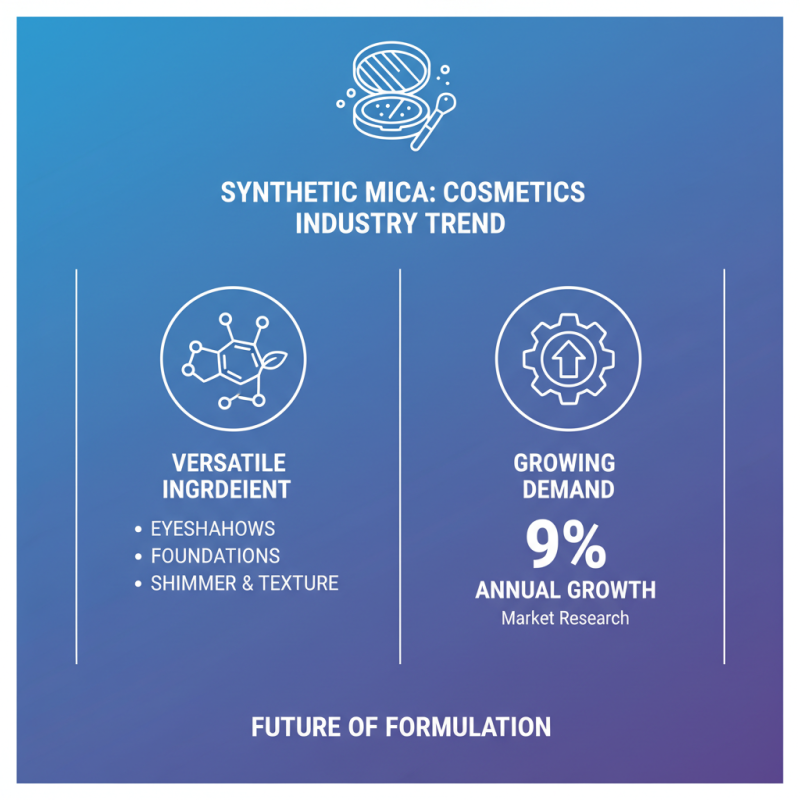
Synthetic mica is gaining traction in the cosmetics industry. It serves as a versatile ingredient in various products. Its applications span from eyeshadows to foundations, providing shimmer and enhancing texture. According to recent market research, the demand for synthetic mica is expected to grow by 9% annually. This trend highlights its increasing importance in formulation.
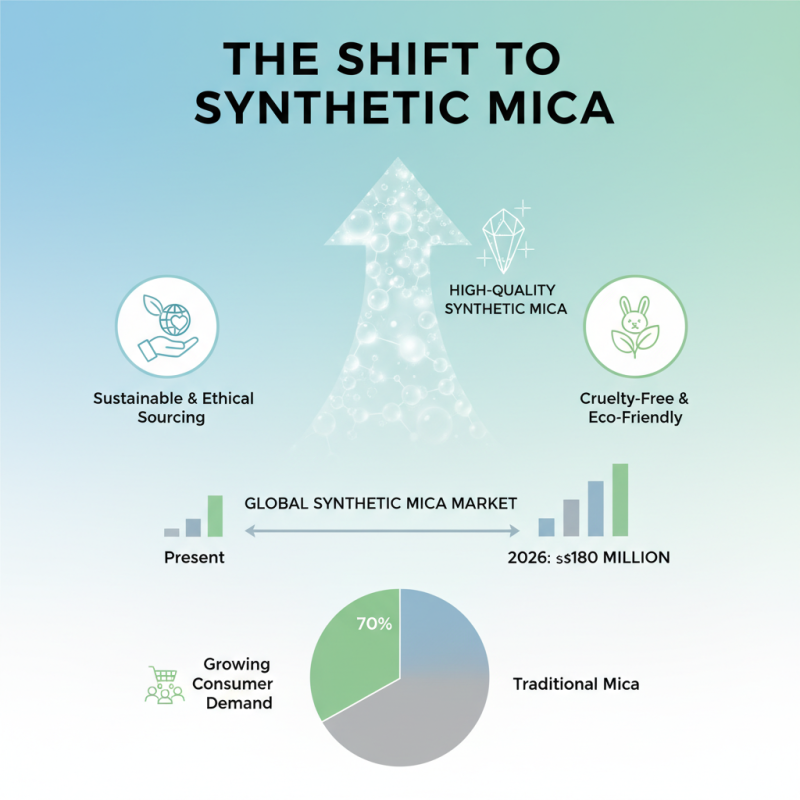
In makeup, synthetic mica offers advantages over natural mica. It’s more consistent in quality and free of impurities. This consistency leads to better performance in products. A report from Cosmetics Business shows that approximately 70% of brands are shifting towards synthetic mica. This change underscores the industry's push for sustainable options. Wholesale Synthetic Mica is now a common term in ingredient sourcing.
The incorporation of synthetic mica also raises questions. While it’s seen as a safer alternative, not all sources follow ethical practices. Transparency in sourcing is essential. Some brands still struggle with identifying responsible suppliers. Consumers are becoming more aware of these issues, demanding ethical standards in ingredients. Adjusting to this dynamic market is crucial for brands looking to thrive.
Safety and Regulation of Synthetic Mica in Cosmetics
Synthetic mica has gained popularity in cosmetics for its shimmering and smooth finish. It mimics natural mica, a mineral used for years in formulations. However, its safety is a concern. The manufacturing process must adhere to strict guidelines to ensure it is free from impurities.
Regulatory bodies oversee the use of synthetic mica in cosmetics. They evaluate ingredients regularly to protect consumer health. Yet, not all regulations are uniform globally. This inconsistency can lead to gaps in safety. Consumers should be aware and ask questions about the products they use. Transparency in ingredient sourcing is crucial.
The environmental impact of synthetic mica production also raises concerns. While it provides an alternative to natural mica, the sustainability of its production is debated. Manufacturers should evaluate their practices. Ultimately, the goal should be to balance beauty and safety.
Future Trends and Innovations in Synthetic Mica Usage
The cosmetic industry is witnessing a significant shift towards High-Quality Synthetic Mica. This trend is driven by a growing demand for sustainable and ethically sourced ingredients. According to a recent report, the global synthetic mica market is expected to grow steadily, reaching approximately $180 million by 2026. This surge is fueled by an increase in consumers who prefer cruelty-free and environmentally friendly products.
Innovations in synthetic mica production are dramatically changing the landscape. Manufacturers are utilizing advanced technology to create particles that mimic the natural sheen of traditional mica. This results in products that not only perform well but also address environmental concerns. Some reports indicate that synthetic alternatives can reduce mica mining's ecological impact by up to 70%. Yet, there are challenges. Not all synthetic micas are created equal. Variability in production techniques may lead to inconsistencies in quality.
While the benefits are clear, the industry must confront the reality of its shifting dynamics. Cost remains a critical concern for many brands looking to transition to High-Quality Synthetic Mica. Balancing quality with affordability presents an ongoing challenge. Moreover, misunderstandings about synthetic versus natural ingredients can lead to consumer hesitance. There’s a need for comprehensive education on the advantages of synthetic options, which could pave the way for broader acceptance.
FAQS
: Check the tracking information for updates. Contact customer service if there's no change.
Review the return policy. Follow the provided instructions carefully. Keep the original packaging if possible.
Visit the help section on the website. Use the chat option or email for quicker responses.
Changes may be possible within a short time frame. Reach out to customer service as soon as possible.
Most common methods are accepted. Double-check during checkout to be sure.
Shipping fees depend on the order amount. Free shipping may be available for certain thresholds.
Take photos of the damage. Report it to customer service for assistance with possible refunds or replacements.
Click on the sign-up link. Fill in the required details to set up your account.
Yes, you can unsubscribe at any time. Links are usually found at the bottom of each email.
Security measures are in place, but no system is perfect. Always be cautious with your information.
Conclusion
Synthetic Mica is a man-made alternative to natural mica, gaining popularity in the cosmetics industry due to its unique composition and production process. Unlike natural mica, which is mined from the earth, synthetic mica is synthesized from safe, non-toxic materials, ensuring a consistent quality and reduced environmental impact. Its use in cosmetics offers several advantages, including vibrant pigmentation, smooth application, and improved stability in products.
Furthermore, synthetic mica presents a notable alternative to natural mica, as it avoids issues related to mining practices and potential impurities. Its applications span various cosmetic products such as eyeshadows, highlighters, and lipsticks, where it enhances shine and texture. With increasing focus on safety and regulation, synthetic mica is being embraced for its hypoallergenic properties, making it suitable for sensitive skin. As trends continue to evolve, innovations in synthetic mica usage are likely to expand, paving the way for its greater acceptance and integration within the beauty industry.