Pigment Powder Mica has really become quite popular in the world of art and crafts lately. People love it because it combines beauty with versatility in such a cool way. If you look at the stats from MarketsandMarkets, the global mica market is expected to jump from about $0.6 billion in 2021 to around $0.8 billion by 2026. That just shows how much more folks are looking for natural mineral pigments, especially for creative projects. The magic of Pigment Powder Mica lies in its ability to produce stunning, vibrant colors and its compatibility with all sorts of mediums—think paints, resins, even cosmetics. It’s pretty versatile!
And it’s not just for traditional painting anymore—artists are now using mica in mixed media projects, DIY crafts, and even professional artworks. According to Create & Craft, more and more artists are being drawn to mica’s natural glow and the depth it adds to their work. Plus, its eco-friendly aspect, especially compared to synthetic options, really resonates with people who care about the environment. That’s probably one of the reasons why it’s so popular in modern DIY and craft scenes. As more creative folks experiment and push boundaries, Pigment Powder Mica keeps inspiring new techniques and leading the way in setting fresh trends in art and crafts. It’s pretty exciting to see how it continues to shape the creative world!
Benefits of Mica Powder in Art and Craft Applications
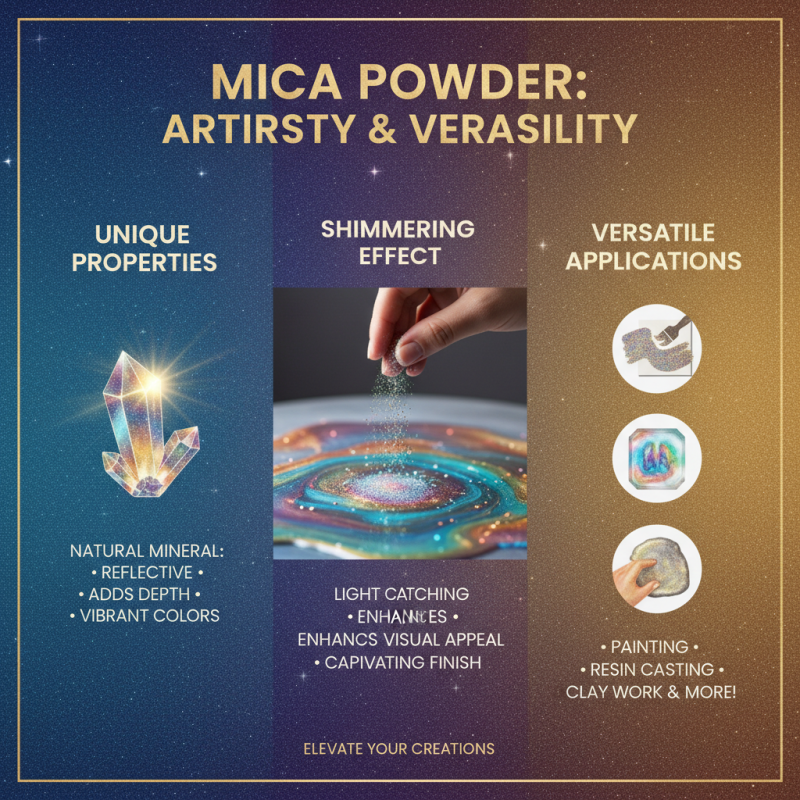
Mica Powder is a popular choice among artists and crafters due to its unique properties and versatility in various applications. One of the primary benefits of mica powder is its ability to impart a shimmering effect to projects, making colors more vibrant and visually appealing. This reflective quality comes from the natural mineral composition of mica, which catches and reflects light, adding depth and dimension to artwork. Whether in painting, resin casting, or even clay work, mica powder can elevate the aesthetic quality of creations, providing a professional finish that captivates viewers.
In addition to its visual appeal, mica powder is also praised for its ease of use. It can be easily mixed with different mediums, including paints, glues, and polymers, allowing for seamless integration into numerous craft applications. Artists appreciate the fine texture of mica powder, which blends smoothly without clumping, enabling them to achieve the desired consistency with ease. Furthermore, its insolubility in water means that it holds its color and shimmer when incorporated into various projects, proving to be a reliable choice for long-lasting artwork. From card making to soap crafting, mica powder opens up a world of creative possibilities while enhancing the overall quality of artistic endeavors.
Exploring the Unique Properties of Mica Powder
Mica powder, a naturally occurring mineral, has gained immense popularity in the art and crafts community due to its unique properties. Composed of silicate minerals, it is known for its shimmering appearance and the ability to refract light, creating a stunning visual effect. According to a recent report from the Global Mica Market, the demand for mica powder in the art industry has surged by 15% annually, reflecting its significance in various artistic applications. Its versatility makes it suitable for use in a range of mediums, including paints, pigments, and cosmetics.
One notable benefit of mica powder is its non-toxic nature, making it a preferred choice for artists concerned with safety and environmental impact. Mica powder provides a brilliant color payoff and exceptional coverage, which enhances the aesthetic quality of artworks. Additionally, its lightweight properties allow for easy mixing and application, which is particularly beneficial for crafting dynamic art pieces. Reports indicate that artists using mica powder have noted a 20% improvement in the durability of their creations due to the material’s resistance to fading and its ability to withstand various artistic techniques.
**Tips:** When working with mica powder, it's essential to use a mask and gloves to prevent inhalation of the fine particles. For best results, mix mica with a binder, such as acrylic medium, to ensure an even application and stable finish. Consider testing different shades and particle sizes to discover unique effects in your artwork, as the versatility of mica allows for experimentation and creativity.
Various Types of Pigment Powder Mica Used in Art
When exploring the world of pigment powder mica used in art, it’s essential to recognize the variety of types available to artists and crafters. Mica Pigment Powders come in different colors and sizes, each offering unique qualities that can enhance artworks. For instance, the natural shimmering effect of mica adds depth and vibrancy, making it an excellent choice for products like paints, crafts, and cosmetics. Artists may find themselves drawn to pearlescent mica powders for their ability to catch light and reflect it, creating a stunning visual impact.
In addition to pearlescent varieties, there are also matte mica powders that provide a smooth texture without shine. These are often favored for applications that require subtlety in color distribution, such as in watercolor paints or pastel mediums. Furthermore, some specialty mica powders are engineered for specific effects, like glow-in-the-dark properties or the ability to create metallic finishes. By experimenting with these various types, artists can achieve a wide range of effects, allowing their imagination to flourish in the craft-making process.
Understanding Pigment Powder Mica Benefits and Uses in Art and Crafts
| Type of Pigment Powder Mica | Benefits | Common Uses | Color Range |
| Synthetic Mica | High purity, consistent quality | Cosmetics, painting, resin art | White, silver, gold |
| Natural Mica | Eco-friendly, unique textures | Jewelry, art projects | Bronze, copper, multi-colored |
| Colored Mica | Vibrant colors, lightfast | Scrapbooking, card making | Red, blue, green, purple |
| Pearlescent Mica | Lustrous finish, reflective | Makeup, nail art | Pastels, iridescent shades |
| Metallic Mica | Rich metallic sheen | Home décor, mixed media | Gold, silver, platinum |
Techniques for Incorporating Mica Powder in Crafts
Mica powder has become a popular choice among artists and crafters due to its versatile properties and stunning visual effects. Incorporating mica powder into your crafts can elevate your projects, providing a shimmering finish that captures light beautifully. One common technique is to mix mica powder with mediums such as resin, paint, or glue. This not only enhances the color vibrancy but also adds a unique depth and dimension, making your artwork stand out. For example, when mixed with epoxy resin, mica powder creates mesmerizing swirling patterns that are both elegant and striking.
Another effective method of using mica powder is through dry application. Artists can sprinkle mica powder directly onto wet paint or other crafting mediums to achieve a luminous, textured effect. This technique works particularly well in mixed media projects, where layers of different materials combine to create stunning visual depth. Additionally, applying mica powder to a stenciled design can produce intricate, shimmering patterns that enhance any craft project. Experimenting with different application methods will allow crafters to discover new ways to express their creativity while enjoying the unique benefits that mica powder offers.
Safety and Environmental Considerations for Mica Use
When utilizing mica in art and crafts, safety and environmental considerations are paramount. Mica is a natural mineral that is often used for its shimmering properties and vibrant colors. However, the extraction of mica can pose significant risks to the environment, including habitat destruction and disruption of local ecosystems. Furthermore, it is essential to consider the ethical implications of mica mining, particularly in regions where labor practices may exploit vulnerable communities. Ensuring that the sourcing of mica is transparent and responsibly conducted is crucial for artists and crafters who value sustainability.
In terms of safety, while mica is generally non-toxic and safe for use in art projects, it is important to handle it properly to avoid inhalation of fine particles. Artists should use protective gear such as masks and gloves when working with powdered mica, especially in large quantities, to minimize any respiratory or skin irritations. Additionally, crafters should be mindful of proper disposal methods to prevent environmental contamination. By prioritizing ethical sourcing and safe practices, artists can enjoy the aesthetic benefits of mica while also preserving the integrity of natural resources and supporting the communities involved in its production.
Benefits of Mica Powder in Art and Crafts
Comparing Mica Powder to Other Pigment Options
When it comes to choosing pigments for art and crafts, mica powder stands out as a versatile and visually appealing option. Unlike traditional pigments that may contain synthetic dyes or heavy metals, mica powder is naturally occurring and composed of fine, shimmering particles that reflect light beautifully. This gives artworks a unique depth and luminosity that can be challenging to achieve with other mediums. Additionally, mica is non-toxic, making it a safer choice for both artists and the environment.
Comparatively, mica powder offers several advantages over other pigment options like acrylics or oil-based paints. While acrylics are vibrant and quick-drying, they often lack the high sheen and depth that mica delivers. Oil paints, on the other hand, can take significantly longer to dry and require specific solvents for application and cleanup, which may not be ideal for all crafters. Furthermore, mica powder can be mixed into a variety of mediums—such as resin, clay, or even homemade paints—providing versatility in application that synthetic pigments cannot match. This adaptability makes mica a preferred choice for various projects, from DIY crafts to professional artwork, allowing artists to achieve stunning visual effects with ease.
Creative Projects That Showcase Mica Powder Benefits
Mica powder is an incredibly versatile medium in the world of arts and crafts, renowned for its unique shimmering qualities and vibrant colors. Notably, it is composed of natural mineral mica, which is ground down to a fine powder and can be used in various creative projects. According to the Art Materials Manufacturers Association, approximately 60% of artists prefer using non-toxic materials in their work, making mica powder a popular choice due to its natural origins and safety profile.
One of the most creative applications of mica powder is in resin art. When mixed into resin, mica powder creates stunning effects that can replicate the beauty of nature, such as the glimmer of sunlight on water or the sparkle of a starry night. Its ability to refract light makes it an ideal choice for adding depth and dimension to any project. Additionally, the use of mica powder in soap making has gained significant traction; data from the Handmade Soap and Cosmetic Guild indicates that over 60% of artisanal soap makers incorporate cosmetic-grade mica powders to achieve aesthetically pleasing swirls and color blends.
Furthermore, mica powder can enhance other crafting mediums, such as acrylic paints and clay. This not only expands the color palette available to artists but also introduces a tactile quality to their works. Studies show that incorporating mica powder into these materials can increase the overall aesthetic appeal, often leading to higher customer satisfaction and increased sales in handmade crafts. As more creators seek to differentiate their products in a competitive market, the innovative use of mica powder has positioned it as a key ingredient in elevating artistic endeavors.
Exploring the Market Trends and Growth Potential of Mica Powder: Insights from Color Shifting Pigment Industry Reports
The mica powder market, particularly in the context of color shifting pigments, is poised for significant growth, driven by its diverse applications across various industries. According to recent industry reports, the global demand for mica-based pigments is projected to experience a compound annual growth rate (CAGR) of around 6% over the next five years. This increase is fueled by the rising popularity of decorative cosmetic products that harness the unique visual properties of chameleon pigments, which change colors based on light interaction and the angle of observation.
Chameleon pigments have gained prominence for their ability to add an enchanting touch to products, ranging from cosmetics to automotive finishes. The high mirror-like finish provided by these pigments not only enhances aesthetic appeal but also offers a touch of luxury that consumers seek. Industries such as automotive and plastic manufacturing are increasingly incorporating these color-shifting effects into their products, creating visually striking designs that stand out in a competitive market.
Market insights indicate that the preference for natural and sustainable ingredients is also influencing the mica powder sector, with manufacturers focusing on ethically sourced raw materials. As consumers become more environmentally conscious, businesses are adapting to these trends, which not only align with consumer values but also promote innovation in product development. This shift presents a significant opportunity for growth within the mica powder market, showcasing the substantial potential of color shifting pigments as a key driver for future advancements.
FAQS
: Mica pigment powders come in various types, including pearlescent, matte, and specialty powders. Pearlescent powders reflect light and create visual impact, while matte powders provide a smooth texture without shine. Specialty mica powders may offer unique effects such as glow-in-the-dark or metallic finishes.
Mica powder adds depth, vibrancy, and shimmering qualities to artworks. Its natural refractive properties make it ideal for creating stunning effects in different mediums, helping artists replicate natural beauty in their creations.
Yes, mica powder is composed of natural mineral mica and is considered safe for use. Many artists prefer non-toxic materials, making mica powder a popular choice in various creative projects.
Absolutely! Mica powder is widely used in resin art to create beautiful effects, mimicking elements like sunlight on water or a starry night, thanks to its ability to refract light.
Mica powder is commonly incorporated into soap making, with many artisanal soap makers using cosmetic-grade mica to create visually appealing swirls and blends of color.
When added to mediums like acrylic paints and clay, mica powder expands the color palette and introduces a tactile quality, enhancing the aesthetic appeal of the final product.
Artists appreciate mica powder for its versatility, unique shimmering qualities, and the range of effects it allows them to achieve, aiding in the creative process and improving customer satisfaction.
Yes, specialty mica powders can create specific effects such as glow-in-the-dark features or metallic finishes that enhance the overall appearance of artistic projects.
Approximately 60% of artists prefer non-toxic materials, which relates to mica powder as it is derived from natural minerals and is considered a safe option for various art applications.
Incorporating mica powder into handmade crafts can lead to increased aesthetic appeal, often resulting in higher customer satisfaction and potentially boosting sales in a competitive market.
Conclusion
Pigment Powder Mica is a versatile material widely used in art and crafts, offering numerous benefits such as vibrant colors, a shimmering finish, and excellent lightfastness. Its unique properties, including non-toxic nature and compatibility with various mediums, make it an ideal choice for artists and crafters alike. Various types of mica powder are available, each providing distinct effects and applications, from painting to resin art.
Incorporating Pigment Powder Mica into creative projects can enhance visual appeal and texture. Techniques for its use range from mixing it with paints to applying it directly on surfaces for added dimension. Additionally, safety and environmental considerations are crucial, ensuring sustainable practices in sourcing and usage. Compared to other pigment options, mica powder stands out for its brilliant luster and eco-friendly characteristics, making it a popular choice for innovative and artistic endeavors.