Inquiry
Form loading...
0%

As we step into 2025, it’s pretty clear that the world of Photochromic Pigments is going through some exciting changes. Thanks to all the innovative tech happening lately, the market’s actually expanding pretty rapidly. I read a report from Research and Markets that says the global market for these materials could hit around $650 million by 2026 — definitely a big jump! What’s driving this growth? Well, more industries are starting to see how smart materials like these can really make a difference — think automotive, eyewear, even coatings. It just shows how versatile photochromic pigments are becoming.

And if you talk to folks like Dr. Emily Foster, a true expert in materials science, she’s pretty optimistic about where this is headed. She mentioned that using photochromic pigments in everyday products isn’t just a cool gimmick anymore; it’s a sign that we’re moving towards smarter design — products that adapt to their environment and actually improve user experience. Basically, it’s about making things more functional and, frankly, more fun to use.

Looking ahead to 2025, it’s fascinating to think about how these trends will shape what people expect from products, and how the industry might start setting new standards. These pigments aren’t just about looking good — although they do that too — they’re about practical benefits that could totally change how we interact with the world around us. Exciting times, right?

2025 Top Trends in Photochromic Pigment Applications and Innovations

Emerging Innovations in Photochromic Pigments for 2025

The field of photochromic pigments is set to experience remarkable advancements in 2025, driven by innovative applications across various industries. With their ability to change color in response to light, these pigments are anticipated to find new uses in a range of products, from textiles to automotive coatings. Emerging innovations will likely include enhanced stability and responsiveness, allowing manufacturers to create more durable and vibrant color changes that cater to consumer demands for both aesthetics and functionality.

Moreover, research into the environmental impact of photochromic pigments is expected to yield sustainable alternatives that do not compromise on performance. Bio-based photochromic materials could revolutionize the industry, providing eco-friendly options for traditional synthetic pigments. As designers and engineers harness these advancements, we can anticipate a wave of creative applications that not only enhance user experience but also promote sustainability in everyday products. The synergy between technology and creative design will drive the evolution of photochromic pigments, positioning them as key players in the future of material science.

Applications of Photochromic Pigments in the Automotive Industry

2025 Top Trends in Photochromic Pigment Applications and Innovations

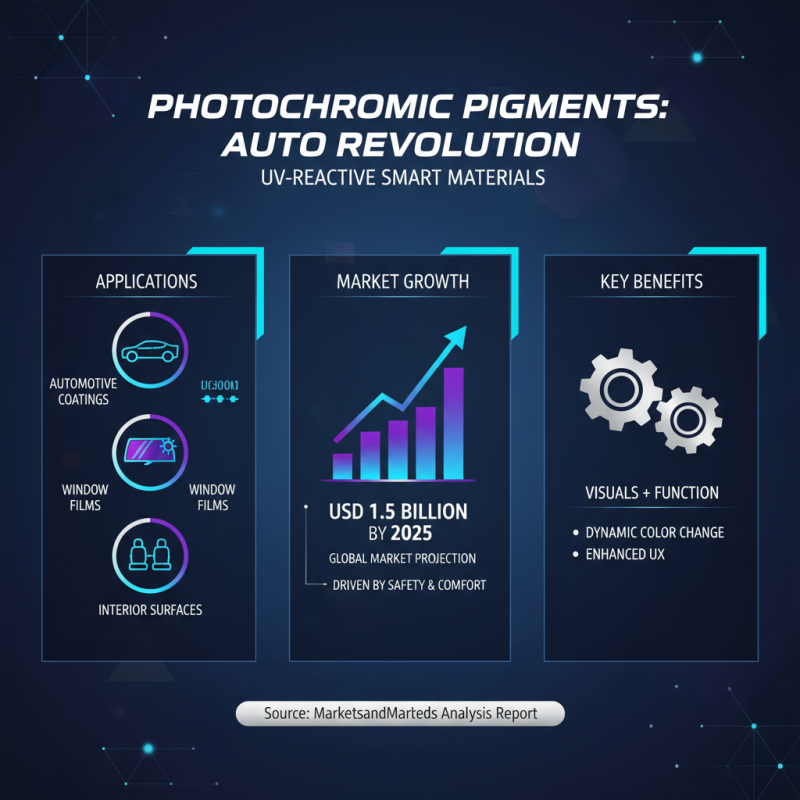
Photochromic pigments are revolutionizing the automotive industry with their innovative applications and transformative technology. These pigments, which change color in response to UV light exposure, are increasingly being utilized in automotive coatings, window films, and interior surfaces. According to a recent market analysis report by MarketsandMarkets, the global photochromic pigment market is projected to reach USD 1.5 billion by 2025, driven by the growing demand for consumer safety and comfort in vehicles. This shift signals a significant trend where visual aesthetics and functionality are seamlessly integrated into vehicle design.

In automotive window applications, photochromic films enhance driver comfort by reducing glare and UV exposure while maintaining visibility. The ability of these pigments to darken in sunlight and revert to clear when indoors creates a safer driving experience, which is particularly appealing in regions with high sun exposure. Furthermore, as electric and hybrid vehicles gain traction, the demand for energy-efficient solutions continues to rise. A report published by Grand View Research projects that the demand for photochromic materials in the automotive sector could potentially grow at a compound annual growth rate (CAGR) of over 8% from 2023 to 2030, highlighting their increasing significance in sustainability efforts within the automotive landscape.

Innovative uses extend beyond windows and coatings; photochromic pigments are making their way into interior textiles and dashboards, providing both functional and aesthetic enhancements. As consumers seek adaptive environments that respond to their needs, the automotive industry is poised to embrace these innovations. The incorporation of photochromic technology not only elevates the design aspects of vehicles but also aligns with broader trends towards user-centric automotive solutions.

Advancements in Photochromic Pigments for Textiles and Fashion

The advancements in photochromic pigments have paved the way for innovative applications in textiles and fashion, providing a unique blend of functionality and aesthetic appeal. According to a recent report by Smithers Pira, the global market for photochromic materials is expected to reach $2.3 billion by 2025, with textiles accounting for a significant portion of this growth. These pigments are becoming increasingly popular in activewear and fashion garments, allowing fabrics to change color in response to UV exposure, thus offering not only fashion versatility but also added sun protection for the wearer.

Recent developments have focused on enhancing the durability and response times of photochromic pigments, with new formulations allowing for faster color change and improved fading resistance. A study highlights that advancements in nanotechnology are essential for optimizing the performance of these pigments, enabling them to maintain vibrancy over multiple washes while reducing environmental impact. The integration of photochromic technology in everyday clothing and accessories could redefine consumer expectations, making garments more interactive and personalized and underscoring the growing trend towards innovative functional fashion.

2025 Top Trends in Photochromic Pigment Applications and Innovations

Impact of Photochromic Pigments on Health and Safety Products

Photochromic pigments are rapidly becoming an essential part of health and safety products, offering innovative solutions for enhancing visibility and protection. These smart materials change color in response to UV light, providing not only aesthetic appeal but also functional benefits. For instance, safety gear that incorporates photochromic pigments can signal the presence of hazards more effectively, adapting to environmental changes and improving the wearer's safety awareness.

When considering the implementation of photochromic pigments in health and safety products, it's vital to focus on the practical applications. For example, garments made with these pigments can provide real-time indicators of exposure to harmful UV rays, encouraging users to take precautionary measures. This feature is particularly significant in outdoor occupations, helping to prevent skin damage and other health issues.

Tips for utilizing photochromic pigments effectively include selecting the right pigment type for your specific application and ensuring proper integration into the product. Test various formulations to find the optimal balance between performance and durability, as these factors can greatly affect the overall effectiveness of the safety gear. Additionally, educating users on the benefits of these innovative materials can further enhance compliance and promote a safer work environment. By embracing these advancements, the industry can lead the way in developing safer, more responsive health and safety products.

Integration of Photochromic Technology in Smart Packaging Solutions

The integration of photochromic technology into smart packaging solutions represents a significant advancement in the field of packaging innovation. Photochromic pigments, known for their ability to change color in response to light, are being incorporated into packaging materials to enhance their functionality and consumer appeal. This technology allows packaging to indicate exposure to sunlight, thereby serving as a visual cue for product freshness, quality, or even safety. As consumers continue to demand more interactive and engaging experiences, smart packaging that utilizes photochromic features can effectively capture attention and provide essential information about the product contained within.

Furthermore, the application of photochromic technology goes beyond just aesthetics; it can play a crucial role in sustainability efforts. By utilizing photochromic pigments, packaging can reduce the need for excessive labeling and printing, as the packaging itself conveys important messages and functions. This dynamic interaction not only minimizes waste but also enhances the overall user experience. As innovative solutions continue to emerge, the combination of photochromic technology and smart packaging is poised to redefine how products communicate with consumers, paving the way for a more responsive and visually engaging marketplace.

Future Trends in Photochromic Pigment Production and Sustainability

2025 Top Trends in Photochromic Pigment Applications and Innovations

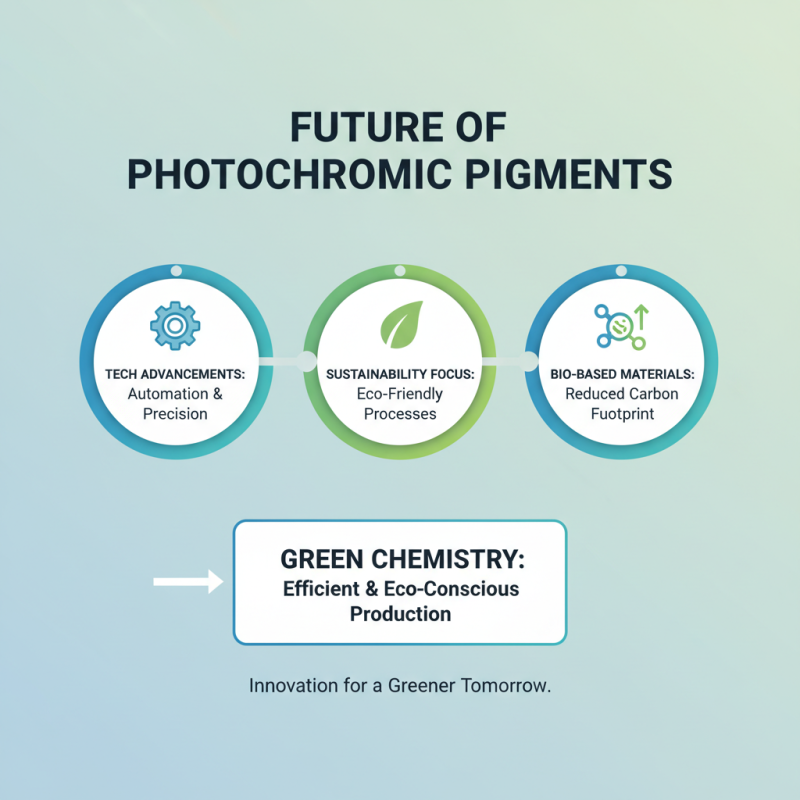
The future of photochromic pigment production is expected to undergo significant transformations, driven by advancements in technology and an increasing emphasis on sustainability. As consumers grow more environmentally conscious, manufacturers are exploring innovative methods for producing these pigments that minimize waste and reduce carbon footprints. Utilizing bio-based materials and green chemistry processes can lead to the development of pigments that not only perform efficiently but also align with eco-friendly principles. This shift towards sustainable practices is crucial for ensuring that photochromic pigments can meet the demands of modern applications while safeguarding the environment.

In addition to production methods, the integration of sustainable practices extends to the entire lifecycle of photochromic products. Companies are beginning to adopt circular economy models, which emphasize recycling and reusing materials. This approach not only helps mitigate the environmental impact but also encourages the development of durable photochromic products that embed sustainability right from the design stage. Furthermore, collaboration among stakeholders, including researchers, manufacturers, and policymakers, is essential to drive innovation in this area. By sharing knowledge and resources, the industry can develop standards that enhance the sustainability of photochromic pigments, ensuring a brighter future for both consumers and the planet.

Consumer Awareness and Market Demand for Photochromic Products

The increasing consumer awareness of photochromic products is a significant driver of market demand, particularly as people become more conscious of the benefits these innovative materials offer. Photochromic pigments, which change color in response to UV light, cater to a growing desire for multifunctional products across various industries, including eyewear, textiles, and home decor. As consumers better understand the advantages of photochromic technology—such as protection against harmful UV rays, enhancing visual comfort, and providing aesthetic appeal—they are more likely to seek out and invest in these products.

Moreover, the trend towards sustainability and eco-friendly solutions is further propelling the demand for photochromic products. As consumers become more informed about environmental issues, they gravitate towards products that not only offer practical benefits but also minimize their ecological footprint. This growing market demand pushes manufacturers to innovate and develop new, sustainable formulations and applications for photochromic pigments, leading to more variety and improved performance. As we approach 2025, it's evident that consumer awareness will continue to shape the landscape of photochromic products, driving innovation and expanding their presence in everyday life.

2025 Top Trends in Photochromic Pigment Applications and Innovations

Application Area Market Demand (USD Million) Growth Rate (%) Consumer Awareness (%) Innovative Feature
Eyewear 900 7.5 85 UV Protection and Anti-Reflective
Automotive Coatings 400 6.0 72 Color Change Based on Temperature
Textiles 250 8.2 65 Self-Adjusting Color
Footwear 150 9.0 60 Dynamic Color Changing
Construction Materials 300 5.0 55 Energy Saving and Aesthetic Appeal

Exploring the Growth of Heat Sensitive Pigments: Insights from the Thermochromic Paint and Ink Market Research Reports

The Thermochromic paint and ink market has experienced significant growth, driven by innovations in heat-sensitive pigments that offer captivating color-changing properties. These pigments react to temperature fluctuations, producing a dynamic visual experience that can transform colors in both reversible and irreversible ways. Such versatility allows for creative applications across various industries, from fashion to automotive design, enabling products that reflect temperature changes in real-time.

One of the standout features of these heat-sensitive pigments is their commitment to safety and environmental friendliness. Formulated without heavy metals, these non-toxic and non-irritating materials ensure that they are safe for use on skin and other surfaces. This makes them ideal for a range of applications, including textiles, accessories, and artistic projects. Moreover, the ability to provide color transitions, whether it be from colorless to color or different colors to each other, expands their appeal to consumers seeking customization and uniqueness in their products.

Customization options such as OEM and ODM services further enhance the market appeal, allowing businesses to create bespoke solutions tailored to their specific needs. The growth in this market segment not only highlights the innovative potential of heat-sensitive pigments but also underscores a trend toward safer, more engaging products that prioritize user experience and environmental consciousness.

FAQS

: What are photochromic pigments and how are they used in textiles?

: Photochromic pigments are materials that change color in response to UV light exposure. In textiles, they are used to create garments that alter their appearance, offering both fashion versatility and added sun protection.

What market growth is expected for photochromic materials?

The global market for photochromic materials is projected to reach $2.3 billion by 2025, with a significant portion of this growth attributed to textiles.

How have recent advancements improved photochromic pigments?

Recent advancements have enhanced the durability and response times of photochromic pigments, allowing for quicker color changes and improved resistance to fading.

What role does nanotechnology play in the development of photochromic pigments?

Nanotechnology plays a crucial role in optimizing the performance of photochromic pigments, enabling them to maintain vibrancy through multiple washes while minimizing environmental impact.

How is photochromic technology integrated into smart packaging?

Photochromic technology is integrated into smart packaging by incorporating pigments that change color with light exposure, providing visual cues for product freshness, quality, or safety.

What sustainability benefits do photochromic pigments offer in packaging?

The use of photochromic pigments in packaging reduces the need for excessive labeling and printing, thereby minimizing waste and enhancing the overall user experience.

How do photochromic features enhance consumer interactions with products?

The incorporation of photochromic features in packaging creates more interactive experiences, capturing consumer attention and providing essential information about the product.

What is the impact of photochromic technology on functional fashion?

Photochromic technology is reshaping consumer expectations by making garments more interactive and personalized, aligning with the growing trend of innovative functional fashion.

How does photochromic technology contribute to a visually engaging marketplace?

By combining photochromic technology with packaging, products can communicate more responsively and visually with consumers, enhancing engagement and the overall shopping experience.

Conclusion

The article "2025 Top Trends in Photochromic Pigment Applications and Innovations" explores the significant advancements and applications of photochromic pigments across various industries. It highlights emerging innovations that enhance the functionality and effectiveness of these pigments, particularly in the automotive sector, where their ability to change color based on light exposure offers aesthetic and safety benefits. Additionally, the integration of photochromic pigments into textiles and fashion is examined, showcasing their potential to create dynamic clothing designs.

Moreover, the impact of photochromic pigments extends to health and safety products, providing new solutions for visibility and protection. The article also discusses the role of photochromic technology in smart packaging solutions, which can improve consumer engagement and product freshness. Future trends point towards increasing sustainability in the production of photochromic pigments, driven by consumer awareness and market demand for eco-friendly products. This comprehensive overview underscores the versatility and importance of photochromic pigments as they continue to evolve and influence various sectors.

Sophia

Sophia

Sophia is a dedicated marketing professional at Trust Colors Technology Co., Ltd., a leading provider of effect pigments, special inks, and magic paints in China. With over 15 years of experience in the industry, Trust Colors has earned a reputation for delivering innovative products that cater to......
Previous Exploring the Comprehensive Technical Specifications of Epoxy Resin Pigment Powder